Government
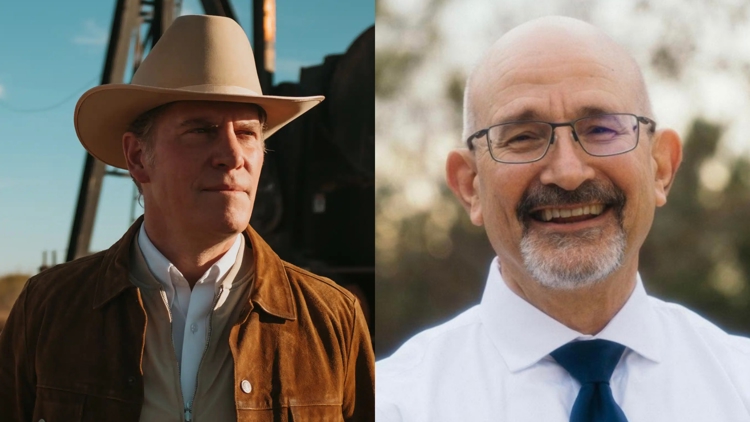
Texas election results: Bo French, Jon Rosenthal in the race for Texas Railroad Commissioner
By Sandra Martinez
Advertisement · Why this ad?
Brian Thompson has over 8 years of experience covering professional sports in Texas, previously working with ESPN’s digital content team. He graduated from the University of Texas at Austin with a degree in Communications and is well-versed in the local sports scene. Brian brings a unique perspective as both a sports fan and a seasoned reporter.
More from Brian →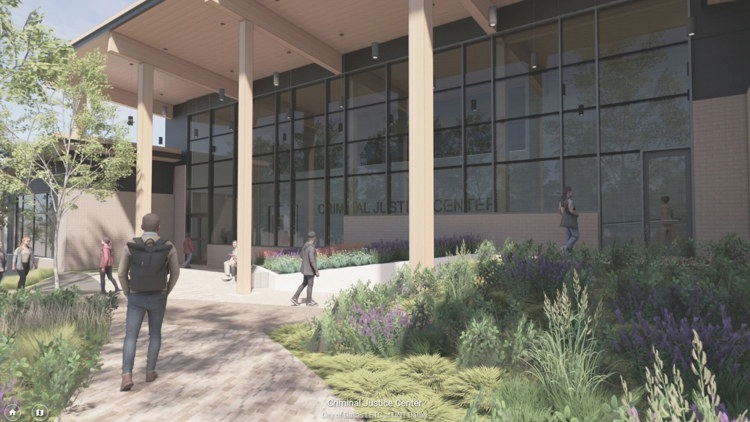
As the sun dipped below the horizon on a recent evening in Grand Prairie, Texas, residents gathered at the local community center, a familiar spot where laughter and debate often echoed. But this time, the air was thick with anticipation and concern as they prepared to cast their votes on Proposition A—a measure that could significantly reshape their community's law enforcement infrastructure. With a hefty price tag of $443 million, the stakes were high, and the discussions were heated.
On election day, Dallas voters faced a critical decision regarding Prop A, which proposed funding for a new police academy, shooting range, and vehicle test track. The Grand Prairie City Council is advocating for these improvements, citing the need for modern facilities to better train officers and enhance public safety. The proposed bond would allocate funds for state-of-the-art training environments, aiming to equip law enforcement with the necessary skills to effectively serve and protect the community.
The bond’s approval would mark a pivotal moment for Grand Prairie, as it seeks to address both the rising crime rates and the need for improved community-police relations. With the recent surge in public scrutiny over police practices nationwide, the council believes that investing in better training facilities could foster a more professional and community-oriented police force.
Proposition A is not merely a financial matter; it reflects a broader narrative about community safety and trust in law enforcement. In recent years, Grand Prairie has experienced its share of challenges, from increased crime rates to calls for greater accountability within the police department. The council's proposal for new facilities comes at a time when many cities across the nation are re-evaluating their police strategies and funding priorities.
By investing in a new police academy, the city aims to ensure that officers receive comprehensive training that emphasizes community engagement and de-escalation tactics. The proposed shooting range and vehicle test track would also allow for realistic training scenarios, preparing officers for the complexities they encounter on the job.
However, not all residents are convinced that this bond is the right solution. Some community members express skepticism about the allocation of funds, questioning whether investing in police facilities is the best approach to enhancing public safety. These concerns are compounded by the ongoing national dialogue surrounding police reform and accountability.
“We need to focus on community programs that address the root causes of crime, not just invest in more police training,” said local resident Maria Sanchez during a town hall meeting. Sanchez’s perspective echoes sentiments shared by many in the community who advocate for a more holistic approach to public safety, one that includes mental health services, youth programs, and economic development initiatives.
The debate surrounding Prop A has sparked a range of emotions among Grand Prairie residents. Supporters argue that the bond is essential for modernizing the police force and improving safety, while opponents believe it reflects a misplaced priority in a community that needs more social services.
“We want our police to be well-trained and equipped,” said council member John Martinez, who supports the bond. “But we also need to invest in the community. It’s not just about policing; it’s about building trust and relationships.” This sentiment resonates with many who attended the recent community meetings, where the discussions often shifted from police funding to broader community needs.
Local leaders and activists have voiced their opinions, urging voters to consider the long-term implications of the bond. “This is not just about the police; it’s about our entire community,” said activist Lisa Thompson. “If we’re going to spend this kind of money, we need to ensure it benefits everyone, not just law enforcement.”
The divide in opinions reflects a microcosm of the national conversation on policing, where communities are grappling with how to balance safety and accountability. As residents weigh their options, the outcome of Prop A could set a precedent for how Grand Prairie approaches public safety in the future.
For those looking to learn more about Proposition A and its implications, the Grand Prairie City Council has provided resources on their official website. Residents can access information on the proposed facilities, funding breakdowns, and community engagement initiatives. Additionally, the Grand Prairie City Council offers insights into local economic impacts and community programs that could complement the bond’s objectives.
Moreover, local nonprofits such as the Grand Prairie Community Foundation play a crucial role in advocating for community-driven solutions that address the underlying issues of crime and safety. Their work often intersects with the discussions around Prop A, as they emphasize the importance of investing in preventative measures alongside law enforcement.
As the election results roll in, the future of Proposition A remains uncertain. The city council is poised to respond to the voters’ decision, whether it be a resounding yes or a firm no. If approved, the bond will set into motion a series of developments that could redefine law enforcement in Grand Prairie.
But if voters reject the measure, it may force the council to reconsider their approach to public safety and explore alternative solutions that address community needs without heavy reliance on police funding. The outcome of this vote is not just a financial decision; it is a reflection of the values and priorities of the Grand Prairie community.
As residents prepare to make their voices heard, one thing is clear: the conversation surrounding public safety, community trust, and police accountability is far from over. The future of Grand Prairie hinges not only on the decision made at the ballot box but also on the ongoing commitment to fostering a safe and inclusive environment for all.
The implications of Prop A extend beyond Grand Prairie. As cities across Texas and the nation grapple with similar issues regarding police funding and community safety, the decision made here could serve as a case study for other municipalities. In a state where law enforcement is a significant aspect of community life, how Grand Prairie chooses to invest in its police force could influence discussions elsewhere.
Additionally, the outcome may impact local elections and the political landscape in Grand Prairie. Candidates who prioritize community safety and police accountability may find themselves navigating a more complex voter base, one that demands transparency and a balanced approach to public safety. This could lead to a shift in how future proposals are framed and debated, emphasizing community engagement as a central tenet.
Regardless of the election's outcome, it is clear that ongoing community engagement will be crucial. Local leaders and organizations are already planning forums and discussions to ensure that residents continue to have a voice in shaping public safety policies. Engaging residents in these conversations can help build trust between law enforcement and the community, fostering a collaborative approach to addressing crime and safety issues.
Furthermore, initiatives that focus on community-building—such as neighborhood watch programs, youth mentorship schemes, and mental health outreach—could gain momentum in the wake of this election. These programs not only enhance safety but also strengthen community ties, creating a more resilient Grand Prairie.
By Sandra Martinez

By Anika Patel
By Lila Moreno

By Lila Moreno