Schools
Six Dallas ISD schools potentially face closure amid budget deficit and low enrollment
By Lila Moreno
Advertisement · Why this ad?
With 4 years of experience under his belt, Marcus Lee has covered transportation and infrastructure issues in the Dallas-Fort Worth area for local digital publications. He earned his degree in Urban Studies from the University of Texas at Arlington and is particularly interested in how transportation impacts local communities. Marcus strives to keep residents informed about changes coming to their transit systems.
More from Marcus →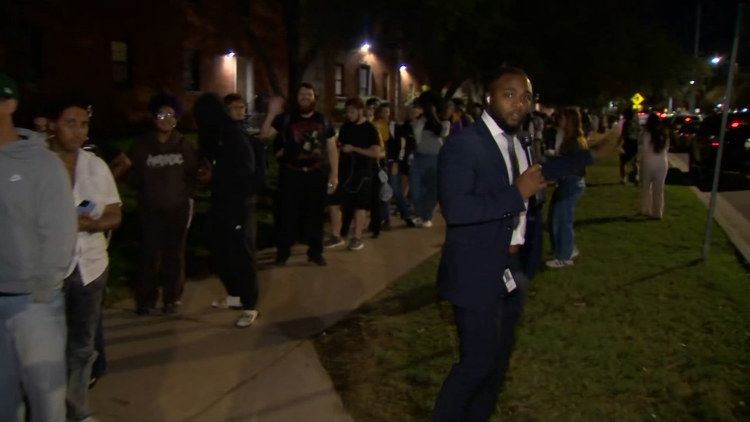
As the sun dipped below the horizon and the last rays of daylight faded, students at the University of North Texas found themselves standing in long, winding lines, eagerly awaiting their turn to cast their votes. Among them was senior Emma Rodriguez, who had arrived on campus with her friends, hoping to make a quick stop at the polls before heading to a study session. Instead, they faced a wait of nearly 45 minutes, a reality that many Denton and Collin County voters experienced as the midterm election approached its close.
Footage captured from the University of North Texas revealed a striking image: throngs of students, some with textbooks in hand, others sporting campaign buttons, all united by the shared goal of participating in democracy. The excitement was palpable, but so was the frustration as the clock ticked down. "We thought we’d be in and out in 10 minutes, but this is crazy!" said Rodriguez, reflecting the sentiment of many waiting in line.
The lines were not isolated to UNT; across Denton and Collin counties, voters encountered similar situations. Reports indicated that some polling locations were overwhelmed by the turnout. According to the Denton County Elections Office, the county saw a significant increase in voter participation compared to previous midterm elections, with early voting numbers already breaking records.
Several factors contributed to the lengthy waits. First, the sheer number of voters was unprecedented. Election officials had anticipated a busy day, but the turnout exceeded their expectations. Additionally, some polling places faced staffing shortages, which hampered the efficiency of the process. "We had a few last-minute cancellations, which made things a bit hectic," said election coordinator John Martinez.
Moreover, the introduction of new voting technology in some locations added to the delays. While intended to streamline the process, some machines malfunctioned, creating bottlenecks. Voters were left standing in line, watching the minutes slip away, as they hoped to make their voices heard before the polls closed.
The long waits at the polls did not just affect students; they resonated throughout the entire community. Many families had planned their voting around school schedules and after-work hours, but delays forced them to reconsider their plans. Local resident Sarah Johnson, who brought her two children to vote after school, expressed her concern: "I want my kids to see the importance of voting, but standing in line for so long isn’t exactly the lesson I wanted to teach them today."
Community leaders recognized the impact of these delays. Mayor Ron Smith issued a statement encouraging residents to remain patient and to prioritize voting as a civic duty. "Every vote counts, and while waiting may be frustrating, it’s important to stay the course and make your voice heard," he said.
The frustration at the polls echoed through social media platforms, where many locals shared their experiences. One UNT student tweeted, "Waiting in line for almost an hour just to vote? This is why people get discouraged from participating!" This sentiment was echoed by others, highlighting the need for systemic changes in the voting process.
Local businesses also felt the impact of the delays. Coffee shops and eateries near polling places saw an uptick in customers as voters sought a quick refreshment while waiting. Owner Maria Gonzalez of a popular café near UNT remarked, "We had more customers than usual today. People were coming in to grab coffee, snacks, and even to chat about the election while they waited. It’s great to see the community engaged, but I wish it could have been less stressful for them."
In light of the challenges faced during this election, local officials are emphasizing the need for voter education. The Denton County Elections Office is working to provide clearer information about polling locations and wait times in future elections. They are also exploring ways to improve staffing and technology at polling places.
Organizations such as the League of Women Voters are stepping up to help educate voters about the process. Their efforts include hosting workshops and distributing flyers that outline what to expect on election day. "We want to ensure that everyone feels prepared and informed when they head to the polls," said local chapter president Linda Carter.
In addition to these initiatives, community groups are collaborating to create a comprehensive voter outreach program aimed at underrepresented populations. This includes targeted efforts to reach out to young voters, minorities, and those with disabilities, ensuring that every voice has an opportunity to be heard.
As the dust settles on this midterm election, the lessons learned from the long waits will undoubtedly shape future voting experiences in Denton and Collin counties. Local officials are committed to addressing the issues that arose, ensuring that voters can participate in elections without the added stress of lengthy delays.
Looking forward, community engagement will be crucial. By fostering a culture of civic participation, local leaders hope to encourage even higher turnout in future elections. "We want to build a community where every voice matters and where voting is seen as a fundamental part of our responsibility as citizens," Mayor Smith stated.
As families continue to navigate the complexities of modern life, the importance of stable, committed households remains at the forefront. Engaging in the democratic process is just one of many ways families can come together, reinforcing the values of commitment and community that are vital to the American dream.
Moreover, local schools are considering incorporating civic education into their curricula, aiming to instill the importance of voting and civic engagement in younger generations. The hope is that by educating students about the voting process early on, they will grow up to be informed and active participants in democracy.
As the community reflects on this election cycle, it is clear that while challenges remain, the resolve to improve the voting experience is strong. With ongoing dialogue between local leaders, election officials, and community members, Denton and Collin counties can work towards a more efficient and accessible voting process in the future.
By Lila Moreno

By Sandra Martinez
By Anika Patel
By Lila Moreno