Government
Texas election results: Dallas voters weigh in on Prop A and a $443M bond for new police facilities
By Brian Thompson
Advertisement · Why this ad?
Sandra Martinez brings over 7 years of health reporting experience to Grand Prairie Current, having worked at the Dallas Observer and local radio stations. She holds a degree in Public Health from the University of North Texas and regularly collaborates with local health organizations to address community issues. Sandra's investigative work focuses on healthcare access and public health challenges.
More from Sandra →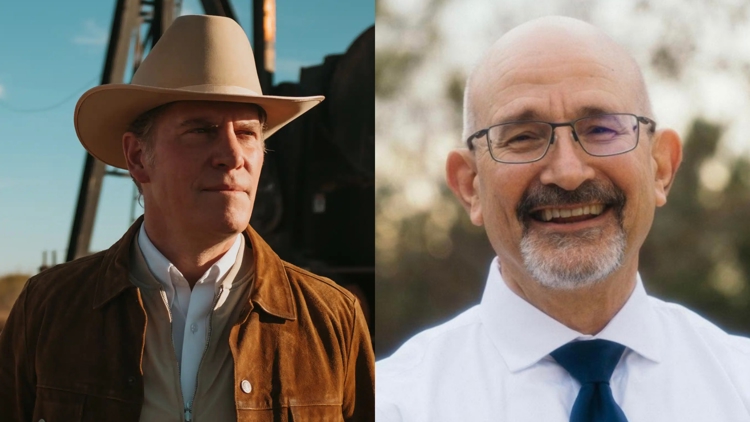
As the sun dipped below the horizon, casting a warm glow over Grand Prairie, Texas, the air buzzed with anticipation. Residents gathered in their homes, eyes glued to their screens, awaiting the results of a pivotal election that could shape the future of their state’s energy landscape. In a contest that has garnered significant attention, Bo French and Jon Rosenthal emerged as key contenders for the Texas Railroad Commission, a body that plays a crucial role in regulating the state’s energy industry.
The Texas Railroad Commission, often overshadowed by more prominent political offices, holds immense power over the energy sector, overseeing oil and gas production, pipeline safety, and environmental regulations. The election results revealed a fierce competition between Bo French, a seasoned energy consultant, and Jon Rosenthal, a state representative with a strong advocacy for renewable energy.
As the votes were tallied, French campaigned on a platform emphasizing deregulation and the importance of traditional energy sources, while Rosenthal focused on a transition to renewable energy and environmental sustainability. Their differing visions reflect a broader conversation happening across Texas about the future of energy in a state known for its oil and gas heritage.
The election results, while still being finalized, indicated a close race, with both candidates appealing to different segments of the electorate. French’s supporters highlighted his extensive background in the energy sector, arguing that his expertise is vital for navigating the complex challenges facing Texas's energy industry. Meanwhile, Rosenthal’s advocates lauded his commitment to reducing carbon emissions and promoting green jobs, resonating with a growing number of environmentally conscious voters.
The stakes of this election were not lost on the residents of Grand Prairie. Many expressed their hopes for a candidate who would prioritize sustainable practices while ensuring economic growth. “We need someone who understands both the traditional and emerging energy markets,” said Maria Lopez, a local business owner. “It’s about finding a balance that works for our community.”
Local organizations have also been active in the election, encouraging residents to educate themselves about the candidates and their platforms. The Grand Prairie Chamber of Commerce hosted forums where community members could engage with both candidates, asking tough questions about their plans for energy regulation and environmental protection.
“It’s essential for us to know who we’re voting for and what they stand for,” stated Tom Reed, a longtime resident and environmental activist. “This election is about more than just energy; it’s about our future and the kind of legacy we want to leave for our children.”
Founded in 1891, the Texas Railroad Commission has evolved from its original role of regulating railroads to overseeing the vast and complex energy sector. The commission’s responsibilities include regulating oil and gas production, ensuring pipeline safety, and enforcing environmental standards. With Texas being the leading oil and gas producer in the United States, the commission’s decisions have significant implications not only for the state but also for the national energy landscape.
The commission has three elected members, and the position of Railroad Commissioner is often seen as a stepping stone for higher political office. This election is particularly crucial as it comes at a time when the state faces mounting pressure to address climate change while balancing economic growth. The candidates’ approaches to these challenges could set the tone for Texas’s energy policy for years to come.
For many families in Grand Prairie, the outcome of this election could directly affect their livelihoods. The energy sector is a significant employer in the region, and changes in regulation could lead to new opportunities or job losses. “My husband works in the oil industry, and we’re concerned about what a shift to renewables could mean for our family’s future,” shared Jessica Martinez, a local mother of three.
Conversely, others in the community see a transition to renewable energy as a necessary step toward sustainability. “We have to think about the long-term health of our planet,” said David Kim, a college student passionate about environmental issues. “Investing in green energy isn’t just good for the environment; it’s good for our economy too.”
The differing opinions within the community underscore the need for ongoing dialogue about energy policy. As the election results unfold, it’s crucial for residents to remain engaged and informed about the implications of their choices. Local advocacy groups are planning post-election forums to discuss the outcomes and what they mean for Grand Prairie.
“No matter who wins, we need to come together as a community to ensure our voices are heard,” said Lopez. “This is our home, and we all have a stake in its future.”
As the community navigates the aftermath of the election, several resources are available to help residents understand the implications of the Texas Railroad Commission and its policies. The Texas Railroad Commission website provides comprehensive information on its functions and responsibilities.
Additionally, local organizations such as the Grand Prairie Chamber of Commerce and environmental advocacy groups offer educational resources and community forums to promote informed discussions about energy policy.
Residents can also access information through the Texas state government website, which outlines the roles of elected officials and the impact of their decisions on local communities.
As the dust settles from the election, the future of the Texas Railroad Commission and its impact on Grand Prairie remains uncertain. However, one thing is clear: the conversation about energy regulation and sustainability will continue to unfold. Both Bo French and Jon Rosenthal have ignited a dialogue that extends beyond their individual campaigns, prompting residents to consider what kind of energy future they envision for Texas.
With the state’s energy landscape in flux, it is imperative for communities like Grand Prairie to stay informed and engaged. As the new commissioner takes office, residents will need to advocate for policies that reflect their values and priorities, ensuring that their voices are heard in the ongoing discourse about Texas’s energy future.
In the words of Tom Reed, “This is just the beginning. We can’t afford to be passive; we have to be active participants in shaping our future.”
By Brian Thompson

By Anika Patel
By Lila Moreno

By Amira Patel