
Community
North Texas man dead following auto-bicyclist accident, police say
By Lila Moreno
Advertisement · Why this ad?
Lila Moreno has spent over 15 years in journalism, beginning her career at the Fort Worth Star-Telegram before transitioning to local news in Grand Prairie. She earned her degree in Journalism from the University of Texas at Arlington, where her passion for community reporting took root. Lila excels in connecting local stories to larger themes, ensuring readers understand the significance of community issues.
More from Lila →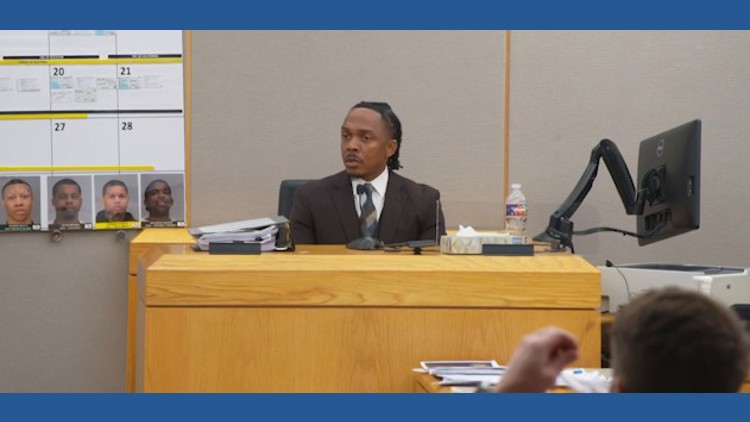
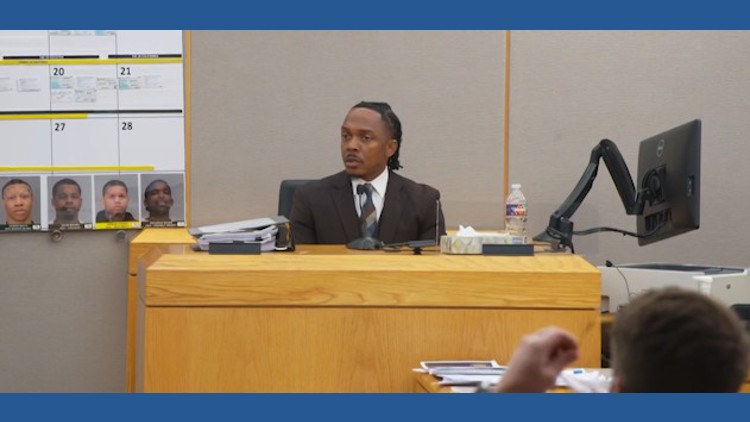
In a courtroom filled with anticipation and a palpable sense of grief, Detective Michael McMurray took the stand to recount the harrowing moments surrounding the murder of beloved Dallas rapper Mo3. The room fell silent as he described the phone call that shattered the peace of that fateful day in November 2020. Mo3, whose real name was Melvin Noble, was not just a rising star in the music industry; he was a son, a friend, and a figure of hope for many in the community. The news of his death sent shockwaves through Dallas and beyond, igniting a wave of mourning among fans and fellow artists alike.
On November 11, 2020, Mo3 was tragically shot and killed on the Interstate 35E in Dallas, Texas. The incident unfolded in broad daylight, leaving many to question how such violence could erupt in a city known for its vibrant culture and tight-knit communities. Detective McMurray, who has spent over a decade with the Dallas Police Department, recalled the moment he received the call about the shooting. “When I heard it was Mo3, my heart sank,” he stated. The rapper had made significant contributions to the local music scene, and his untimely death felt like a personal loss to many.
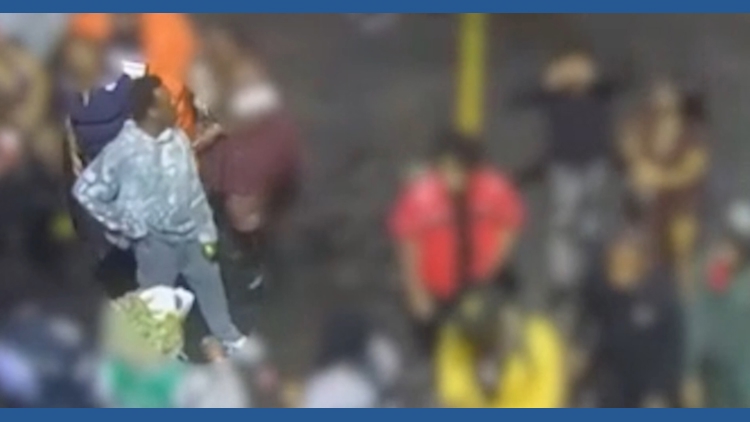
As the investigation began, Detective McMurray and his team worked tirelessly to piece together the events leading to Mo3's murder. They interviewed witnesses, examined surveillance footage, and followed leads, all while grappling with the emotional weight of the case. “It’s hard not to get attached to these stories,” McMurray noted. “These aren’t just cases; they’re lives.”
In the days following the murder, the community rallied around Mo3's family, offering support and condolences. His mother, who had raised him as a single parent, expressed her heartbreak in a public statement, saying, “He was my everything.” The outpouring of love for Mo3 underscored the impact he had on those around him, both personally and professionally.
The news of Mo3's murder sparked a profound reaction throughout the Dallas community. Fans took to social media to share their grief, with hashtags like #RIPMo3 trending across platforms. Local artists held vigils, and memorials sprang up in the places where Mo3 had performed and spent time. The sense of loss was palpable, as many felt that they had lost not just a talented musician, but also a role model who had overcome adversity.
In response to the tragedy, community leaders organized gatherings aimed at healing and remembrance. One such event was held at the Dallas Parks and Recreation department's community center, where attendees shared stories and memories of Mo3. “We came together to celebrate his life and the joy he brought to so many,” said local organizer, Jasmine Taylor. “It’s important for us to remember him not just as a victim, but as a person who inspired change.”
These gatherings not only honored Mo3's legacy but also served as a platform for discussing the broader issues of violence and loss within the community. Residents voiced their concerns about safety and the need for support systems that can help prevent such tragedies in the future. “We need to come together as a community to address these issues,” said community activist Marcus Young. “Mo3’s death should not be in vain.”
As the community mourned, many shared personal stories of how Mo3 had touched their lives. For instance, a local barber, who had known Mo3 since childhood, recalled how the rapper would often come by to get his hair cut, sharing dreams and aspirations. “He always had a smile on his face and a kind word for everyone,” the barber remembered. “He was one of us, and his loss feels like losing a brother.” Such anecdotes reflect the deep connections Mo3 had forged within the community, making his death all the more painful.
As the trial progresses, the investigation into Mo3's murder continues to unfold. Detective McMurray's testimony sheds light on the meticulous work that goes into solving such high-profile cases. He detailed how the police used forensic evidence, including bullet casings and DNA analysis, to trace the events leading up to the shooting. “Every piece of evidence tells a story,” McMurray explained, emphasizing the importance of thorough and compassionate investigative work.
The detective also addressed the challenges faced by law enforcement in cases involving public figures. “There’s a lot of pressure to solve these cases quickly,” he said. “But we have to remember that behind every headline, there’s a family waiting for answers.” The emotional toll on the investigators is often overlooked; they are not just solving crimes, but also seeking justice for families who are left to pick up the pieces.
As the trial continues, the community watches closely, hoping for justice not just for Mo3, but for all victims of violence. The upcoming weeks will be crucial as more evidence is presented, and the impact of this case resonates throughout the city.
Looking ahead, the trial of Yella Beezy, who is charged in connection with Mo3's murder, is set to continue as more witnesses are called to testify. The community remains hopeful that this process will not only bring justice for Mo3 but also spark important conversations about violence prevention and community support. “We need to ensure that our voices are heard,” said local pastor, Reverend James Carter. “This is about more than just one case; it’s about creating a safer environment for our children and future generations.”
In addition to the trial, community leaders are planning further initiatives aimed at addressing the root causes of violence. Workshops, support groups, and outreach programs are being developed to provide resources for at-risk youth and families. “We want to build a foundation of hope and resilience,” said Taylor. “Mo3’s legacy can live on through the positive change we create.”
Moreover, local schools are considering integrating discussions about violence prevention and conflict resolution into their curricula, aiming to equip young people with the tools they need to navigate difficult situations. “Education is key,” said a local educator. “We need to empower our youth to make better choices.” This proactive approach reflects a community determined to turn tragedy into a catalyst for change.
As the trial unfolds, the hope for healing and justice remains strong within the community. Mo3's life and music continue to inspire many, reminding us all of the power of love, unity, and commitment to one another. It is a testament to the enduring spirit of a community that refuses to let tragedy define them.
By Lila Moreno

By Lila Moreno
By Lila Moreno
By Lila Moreno