Community
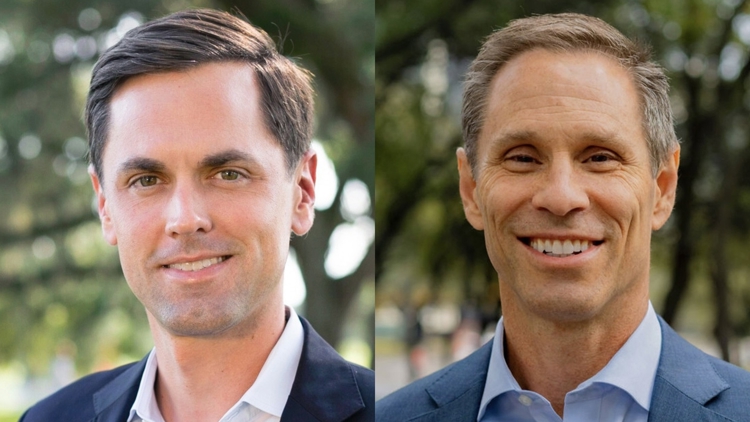
Texas election results: Mayes Middleton, Nathan Johnson vie for Texas Attorney General
By Lila Moreno
Advertisement · Why this ad?
Lila Moreno has spent over 15 years in journalism, beginning her career at the Fort Worth Star-Telegram before transitioning to local news in Grand Prairie. She earned her degree in Journalism from the University of Texas at Arlington, where her passion for community reporting took root. Lila excels in connecting local stories to larger themes, ensuring readers understand the significance of community issues.
More from Lila →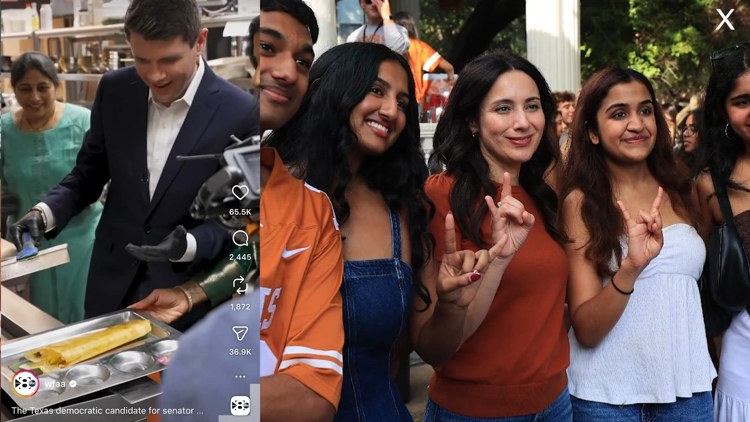
As the sun dipped below the horizon, casting a warm glow over the bustling streets of Grand Prairie, Texas, a palpable sense of determination filled the air. Families gathered at the local community center, their voices rising in unison, echoing a shared commitment to stand against the tide of anti-immigrant rhetoric that has permeated political discourse in recent years. Among them was Aisha Khan, a young mother of two, who shared how the recent elections had ignited a fire within her community. "We are here to remind everyone that we are part of this fabric, and our voices matter," she said, her eyes shining with resolve.
The political landscape in Texas has witnessed a significant shift, particularly with the emergence of South Asians as a formidable voting bloc. This transformation was notably highlighted during the recent elections, where the controversial remarks made by Bo French, a local candidate, sparked outrage among many residents. French's comments, deemed offensive and discriminatory, served as a catalyst for mobilization within the South Asian community, who felt compelled to respond not only to defend their dignity but also to assert their presence in the political arena.
In a historic moment, Texas elected its first Indian American House member, a milestone that resonated deeply with voters across the state. This election was not just about individual candidates; it was a reflection of a broader movement towards inclusivity and representation. The South Asian community, long considered a silent demographic, has begun to raise its voice, challenging the narratives that seek to marginalize them.
As the election results rolled in, the atmosphere was electric. Celebrations erupted in homes filled with families who had gathered to watch the outcomes. The victory of their representative was a testament to the hard work and dedication of community leaders who had tirelessly campaigned for change. This moment was about more than just one election; it symbolized a collective awakening.
The backlash against French's remarks galvanized not only South Asians but a diverse coalition of allies from various backgrounds. Local organizations, such as the Austin Immigrant Rights Coalition, rallied support, emphasizing the importance of unity in the face of adversity. Community members attended town halls, engaged in discussions, and organized peaceful protests, all while advocating for a message of love and inclusivity.
"Hate was on the ballot, and we chose love and community instead," said Raj Patel, a local activist who played a crucial role in the mobilization efforts. His words resonated with many who felt the weight of the moment. The community's response was not merely reactionary; it was proactive, aiming to build a future where every voice is valued.
The South Asian community's efforts have not gone unnoticed. Local leaders, including Mayor Ron Jensen of Grand Prairie, acknowledged the importance of representation and the need for diverse voices in leadership. "Our city thrives on its diversity, and it is essential that all communities feel heard and represented," he stated during a recent press conference.
As families like Aisha's continue to engage in civic activities, the sense of belonging has grown stronger. Parents are now more involved in school boards, local governance, and community initiatives. This newfound engagement is fostering a culture of participation, where the next generation is inspired to take an active role in shaping the future.
The voices of the South Asian community are diverse and multifaceted. Many families are first-generation immigrants who have faced their own challenges in adapting to life in America. For instance, Ramesh and Priya Desai, who have lived in Grand Prairie for over a decade, expressed their concerns about the future of their children amidst rising anti-immigrant sentiments. "We came here for a better life, to give our children opportunities we never had. Seeing our community come together like this gives us hope," Ramesh said.
Community events have become a vital platform for sharing stories and experiences. The Grand Prairie South Asian Cultural Festival, which sees participation from thousands, showcases the rich heritage and contributions of South Asians to the local culture. Events like these not only celebrate cultural identity but also serve as a reminder of the community's resilience in the face of adversity.
Looking ahead, the South Asian community in Texas is poised to continue its momentum. With the recent election victories, there is a growing sense of optimism about the future. Plans are underway for community forums aimed at educating residents about the political process and encouraging voter participation. The goal is to ensure that the voices of South Asians remain influential in shaping policies that affect their lives.
Additionally, organizations like the South Asian American Civic Engagement Fund are working to provide resources and training for potential candidates from diverse backgrounds, fostering a new generation of leaders. The emphasis on grassroots organizing and community engagement is essential as the community seeks to establish itself as a permanent fixture in Texas politics.
As Aisha Khan reflected on the changes she has witnessed, she expressed hope for a future where her children can grow up in a society that embraces diversity. "I want them to know that they can be proud of their heritage and still be fully American. We are not just here to survive; we are here to thrive," she said, embodying the spirit of resilience that defines her community.
Recognizing the importance of solidarity, the South Asian community is also forging alliances with other marginalized groups. Collaborations with Black, Latino, and immigrant rights organizations are becoming increasingly common, as they work together on shared goals such as equitable access to education, healthcare, and housing. These coalitions are crucial in amplifying their collective voice and ensuring that their concerns are addressed at the policy level.
In a recent meeting, leaders from various communities discussed strategies to combat discrimination and advocate for comprehensive immigration reform. The emphasis on intersectionality has led to a more robust movement, where diverse perspectives can contribute to a more comprehensive understanding of the challenges faced by all marginalized communities.
The recent elections in Texas have served as a powerful reminder of the strength found in unity and the importance of representation. The South Asian community, once on the fringes, is now stepping into the light, ready to advocate for their rights and the rights of others. The journey ahead may be filled with challenges, but the resolve of families like Aisha's ensures that they will continue to push back against hate with love and understanding.
As Grand Prairie and the broader Texas community look to the future, the hope is that this newfound political engagement will inspire others to join the fight for justice and equality. Together, they are not just voting for candidates; they are voting for a vision of a society that values every individual, regardless of their background.
By Lila Moreno

By Lila Moreno

By Lila Moreno

By Lila Moreno