Community
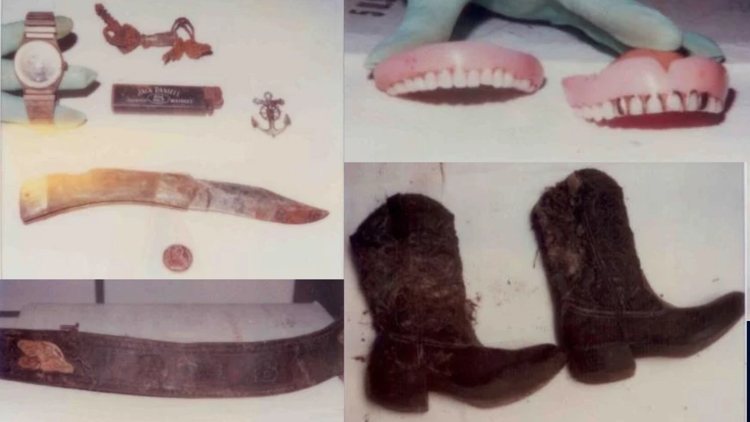
He was found wearing a belt with the initials 'RB' in Humble in 1987. Who was he?
By Rachel Gonzalez
Advertisement · Why this ad?
Lila Moreno has spent over 15 years in journalism, beginning her career at the Fort Worth Star-Telegram before transitioning to local news in Grand Prairie. She earned her degree in Journalism from the University of Texas at Arlington, where her passion for community reporting took root. Lila excels in connecting local stories to larger themes, ensuring readers understand the significance of community issues.
More from Lila →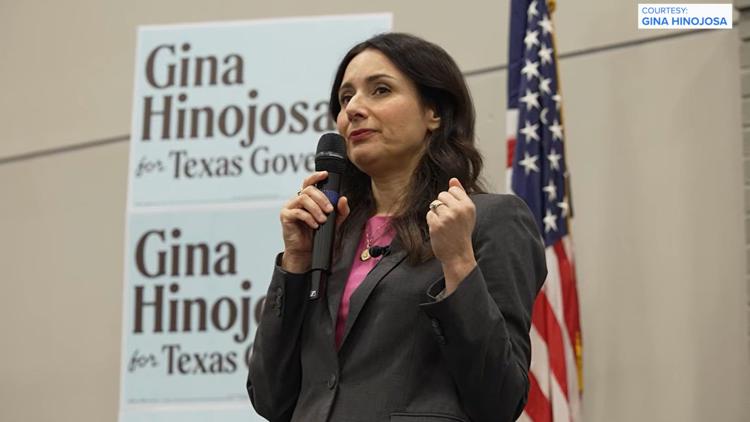
As the sun dipped below the horizon, casting a warm glow over Grand Prairie, residents gathered at the local community center, buzzing with anticipation. Among them was Maria Lopez, a single mother of two, who had recently lost her job due to the pandemic. She clutched a flyer announcing a potential $1,500 payment to Texans, her heart racing at the thought of what that money could mean for her family. With bills piling up and school supplies needed for her children, the prospect of financial relief felt like a lifeline.
In a bold move, Texas governor-elect Gina Hinojosa proposed a plan that could provide $1,500 to every Texan, utilizing a portion of the state's $17 billion rainy-day fund. This ambitious initiative aims to offer much-needed financial support to families like Maria's, who have faced unprecedented hardships in recent years. However, as the excitement builds, the specifics of the plan remain unclear, with no payment or distribution date currently approved.
Hinojosa's proposal has sparked discussions across the state, raising hopes among residents who have been struggling to make ends meet. The rainy-day fund, typically reserved for emergencies, is seen as a potential source of relief for many Texans who are still feeling the economic impacts of the pandemic. While the idea of direct payments is not new, the scale and immediacy of Hinojosa's plan mark a significant shift in how state resources might be allocated.
As the community grapples with the implications of this proposal, questions linger about the feasibility of such a plan. Local leaders and residents alike are eager to understand the potential timeline and the criteria for eligibility, as they consider how this financial boost could transform lives across Grand Prairie.
The reaction from the Grand Prairie community has been overwhelmingly positive. Residents are hopeful that the proposed payments could help alleviate financial burdens, especially for families struggling with rising costs of living. “This could really help us get back on our feet,” Maria said, her voice filled with a combination of hope and skepticism. “I just want to provide a better life for my kids.”
Local businesses are also watching the developments closely. Many hope that the influx of cash could stimulate the economy, leading to increased spending in shops and restaurants. “If people have a little extra money, they’re more likely to come out and support local businesses,” said John Martinez, owner of a popular diner in town. “We’ve all had a tough couple of years, and this could be the boost we need.”
Yet, not everyone shares the same optimism. Some community members express concerns about the long-term implications of dipping into the rainy-day fund. “While it’s great to think about immediate relief, we need to be cautious about how we use our state’s resources,” said local educator Sarah Thompson. “We don’t want to jeopardize funding for schools and other essential services in the future.”
As discussions continue, it’s clear that the conversation around Hinojosa's proposal is sparking broader discussions about fiscal responsibility and the role of government in supporting its citizens. The community is engaged, weighing the potential benefits against the risks, and exploring what this could mean for the future of Grand Prairie.
As the governor-elect prepares to take office, the next steps regarding the payment plan will be crucial. Hinojosa will need to work closely with state lawmakers to outline the specifics of the proposal, including how the funds will be distributed and what criteria will determine eligibility. This process will likely involve extensive discussions and negotiations, as stakeholders from various sectors weigh in on the best approach.
In the meantime, residents are urged to stay informed and engaged. Local organizations, such as the Grand Prairie Chamber of Commerce, are hosting forums to discuss the potential impacts of the payment plan and gather community feedback. These gatherings offer a platform for residents to voice their opinions and ask questions, ensuring that their voices are heard in the decision-making process.
As the community anticipates the rollout of this initiative, it’s essential for residents to consider their own financial situations and how they might use the funds if they become available. For many, the prospect of receiving $1,500 is not just about immediate relief; it represents hope for a brighter future.
In light of the proposed payment plan, local organizations are stepping up to provide resources for families in need. The United Way of Texas is offering financial counseling services to help families navigate their budgets and make informed decisions about their finances. Additionally, local food banks, such as the Tarrant Area Food Bank, are ramping up efforts to support families facing food insecurity.
Community leaders encourage residents to take advantage of these resources as they await further information about the payment plan. “It’s important to remember that we’re all in this together,” said Mayor Ron Jensen. “We need to support one another and make sure that no one falls through the cracks.”
As families prepare for the possibility of receiving financial assistance, they are also reminded to reach out for help if they need it. Whether it’s accessing food assistance or seeking financial advice, the support is available for those who need it most.
While the details of Gina Hinojosa’s payment plan remain to be finalized, the conversations it has sparked throughout Grand Prairie and beyond are invaluable. This initiative has the potential to reshape the economic landscape for many families, providing them with the support they need to thrive.
As residents continue to engage in discussions and share their hopes and concerns, it’s clear that the community is committed to looking out for one another. The potential for $1,500 in support is not just a financial boost; it symbolizes resilience and unity in the face of adversity.
In the coming months, as plans unfold and the governor-elect takes office, the people of Grand Prairie will be watching closely. Their hopes are tied not only to the promise of financial relief but also to the broader vision of a community that stands together, nurtures strong families, and fosters a spirit of authentic faith and commitment.
By Rachel Gonzalez
By Lila Moreno

By Lila Moreno

By Lila Moreno