Community
'He killed that family': Fort Worth man sentenced to 68 years for 2024 DWI crash that killed five
By Lila Moreno
Advertisement · Why this ad?
Lila Moreno has spent over 15 years in journalism, beginning her career at the Fort Worth Star-Telegram before transitioning to local news in Grand Prairie. She earned her degree in Journalism from the University of Texas at Arlington, where her passion for community reporting took root. Lila excels in connecting local stories to larger themes, ensuring readers understand the significance of community issues.
More from Lila →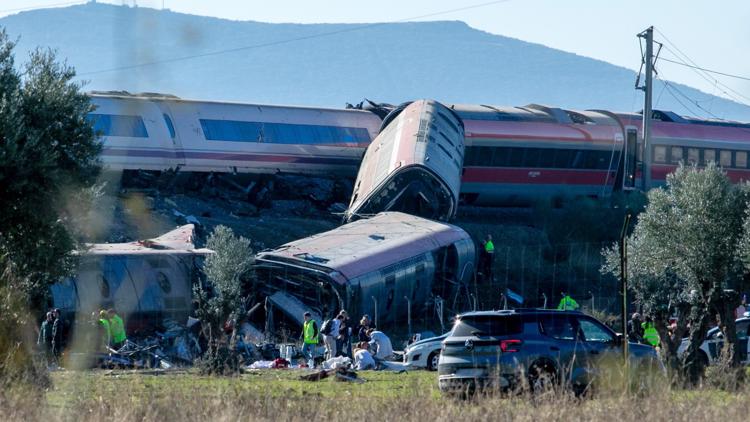
As the sun began to rise over the quiet town of Grand Prairie, Texas, news broke that would send shockwaves across the globe. On a seemingly ordinary Wednesday, a horrific train accident in Spain claimed the lives of at least 68 individuals, leaving families shattered and communities mourning. The scene was devastating—a high-speed train collided with a stationary train, derailing two cars and causing chaos and heartbreak.
On the morning of the tragic incident, a high-speed train, traveling at full velocity, crashed into the rear of another train that had come to a halt on the tracks. The collision occurred at approximately 9:30 AM local time, near the town of Santiago de Compostela, a place known for its rich history and beautiful architecture. Eyewitnesses described a scene of utter devastation as the sound of metal grinding against metal echoed through the air.
The impact was catastrophic, resulting in the derailment of two train cars and a fire that engulfed parts of the wreckage. Emergency services rushed to the scene, battling flames and searching for survivors among the twisted remains of the trains. In the aftermath, authorities reported that at least 68 people lost their lives, with many more injured, some critically. Families across Spain are now faced with the unimaginable task of processing this tragedy.
The train involved in the crash was part of Spain's extensive high-speed rail network, known for its efficiency and safety. This incident has raised questions about the safety protocols in place and the circumstances that led to such a catastrophic failure. Investigations are underway, with officials from the Spanish railway authority examining the events leading up to the collision.
As the investigation unfolds, the community of Santiago de Compostela is grappling with the implications of this tragedy. The city, which thrives on tourism and culture, now finds itself in mourning. Local officials have expressed their condolences, emphasizing the need for support for those affected by this disaster. The emotional toll is palpable, as families come to terms with the loss of their loved ones, and the community rallies together in solidarity.
The news of the train crash has resonated deeply within communities across Spain and beyond. In Grand Prairie, residents are not only reflecting on the tragedy but also expressing their heartfelt condolences. Local faith leaders have come together to hold vigils, offering prayers for the victims and their families. The American Red Cross has also stepped in, providing resources and support for those in need.
“It’s heartbreaking to hear about such a loss of life,” said Maria Gonzalez, a local resident and mother of two. “We often take for granted the safety of our travels. This reminds us how fragile life can be.” Her words echo the sentiments of many who are grappling with the reality of such unexpected tragedy.
The impact of this disaster extends far beyond the immediate victims. Families are left to navigate the aftermath of such profound loss. Many of those who perished were traveling to visit loved ones or were on their way to important events. The connections that bind families together are now frayed, as they face the harsh reality of grief.
The emotional scars will linger long after the headlines fade. Support services, including counseling and community outreach programs, are crucial in the coming weeks and months. Local organizations are mobilizing to provide assistance to those affected, ensuring that no one has to face this burden alone. The importance of strong family units and community ties becomes even more evident in times of crisis.
In light of this tragedy, several organizations are stepping up to offer support to those impacted by the crash. The National Alliance on Mental Illness (NAMI) provides resources for mental health support, guiding individuals and families through the grieving process. Local churches and faith-based organizations are also opening their doors, offering counseling services and a safe space for those seeking comfort.
Additionally, the Substance Abuse and Mental Health Services Administration has resources available for those struggling with the emotional aftermath of such traumatic events. It is essential for community members to reach out and seek help during this difficult time.
As Spain begins to heal from this tragedy, the focus will inevitably turn towards preventing such incidents in the future. The investigation into the crash will likely lead to changes in safety protocols and regulations to ensure that the high-speed rail system remains one of the safest in the world.
For the community of Grand Prairie and beyond, the lessons learned from this tragedy will resonate deeply. It serves as a poignant reminder of the fragility of life and the importance of cherishing our loved ones. As families come together to support one another, the strength of community shines through, proving that even in the darkest of times, hope and resilience can prevail.
This tragic incident has broader implications that extend beyond the immediate loss of life. It raises critical questions about transportation safety not only in Spain but globally. High-speed rail systems are often touted as a safe and efficient means of travel, and incidents like this can lead to increased scrutiny of rail safety standards worldwide. Advocates for transportation safety are likely to call for a reevaluation of protocols, training, and technology used in the industry.
Moreover, the psychological impact of such events cannot be understated. Communities affected by tragedies like this often experience a collective trauma that can linger for years. Mental health experts emphasize the need for ongoing support for survivors and families, as well as for first responders who witnessed the horrific aftermath. The emotional toll on these individuals can be profound, necessitating a comprehensive response from mental health services.
In the wake of this tragedy, local organizations in Grand Prairie and across the nation are already mobilizing to create initiatives that promote safety and awareness. Community leaders are discussing hosting town hall meetings to educate residents about transportation safety and emergency preparedness. These forums will serve as platforms for sharing information, resources, and personal stories, fostering a sense of unity and resilience among community members.
Additionally, schools in Grand Prairie are considering implementing programs that teach children about emergency response and safety protocols. By instilling these values at a young age, the hope is to empower future generations to respond effectively in crisis situations.
As the dust settles in Santiago de Compostela and the world watches, it is crucial for communities to come together in solidarity. The healing process will be long and arduous, but through collective efforts, support, and awareness, it is possible to emerge stronger from this tragedy. The lives lost in this incident will not be forgotten, and their memories will serve as a catalyst for change in transportation safety and community resilience.
By Lila Moreno

By Gregory White

By Lila Moreno

By Lila Moreno